Modern agriculture is evolving rapidly, with farmers and agricultural businesses seeking more efficient ways to protect crops, livestock, and equipment. Building structures for agricultural applications must provide durability, flexibility, and cost efficiency while adapting to different environmental conditions. Steel structure buildings are becoming an increasingly popular choice for farms, storage facilities, and agricultural production spaces.
Creating Durable Spaces for Agricultural Operations
Agricultural facilities are often exposed to challenging conditions, including changing temperatures, humidity, heavy rainfall, and strong winds. Steel structure buildings offer excellent structural strength and resistance, providing reliable protection for valuable equipment, livestock, and stored materials.
Their robust framework helps maintain long-term stability, reducing the need for frequent repairs and supporting continuous agricultural operations.
Flexible Designs for Different Farming Needs
Every agricultural project has unique requirements. A grain storage facility requires different layouts compared to a livestock shelter or agricultural processing workshop.
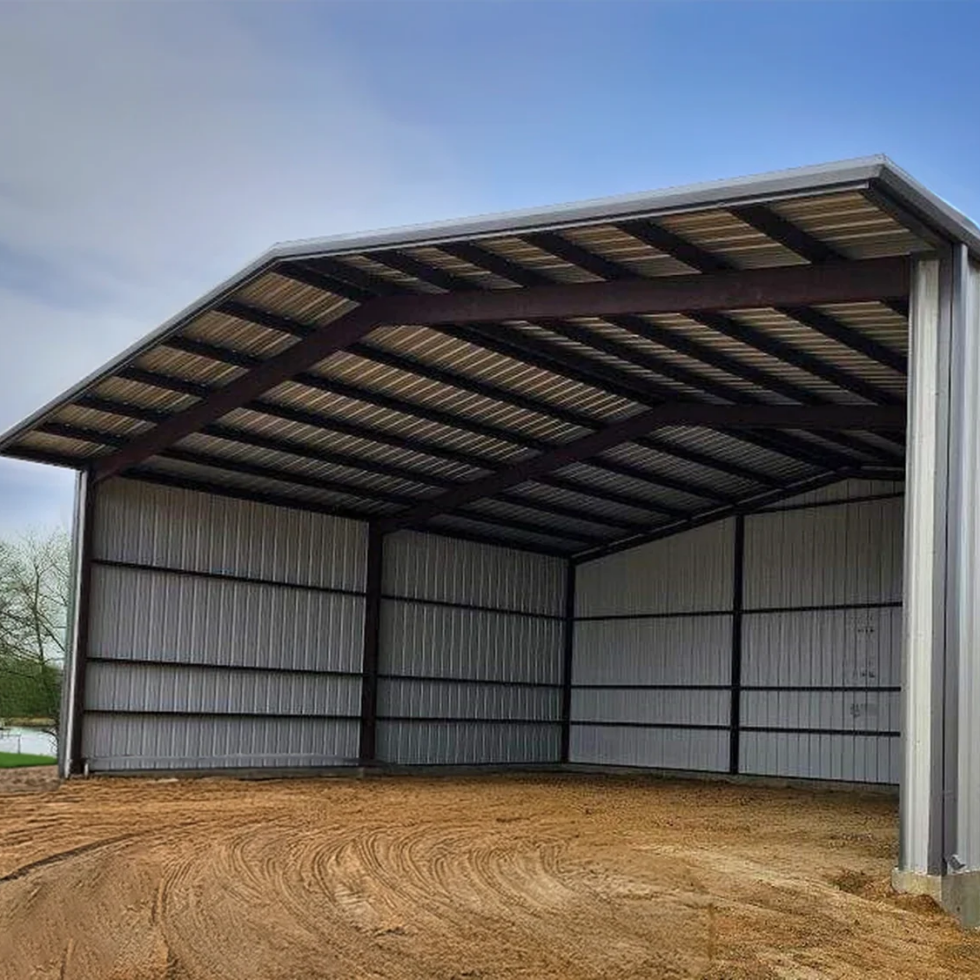
Steel structures offer design flexibility, allowing buildings to be customized according to specific operational needs. Large-span designs provide open interior spaces, making it easier to install equipment, organize storage areas, or manage farming activities efficiently.
Faster Construction for Seasonal Demands
Agricultural businesses often operate according to seasonal schedules, making construction speed an important factor. Steel components can be prefabricated before arriving at the project site, reducing installation time and allowing facilities to become operational sooner.
This faster construction process helps farmers prepare storage, production, or livestock areas before critical periods such as harvest seasons.
Cost Efficiency for Long-Term Agricultural Development
Agricultural projects require careful budget management, and steel structure buildings offer advantages in both initial investment and long-term operation. Their efficient installation reduces labor costs, while their durability lowers maintenance expenses over the building’s service life.
The ability to expand or modify steel structures also allows agricultural businesses to upgrade facilities as production needs grow.
Supporting Sustainable Farming Practices
Sustainability is becoming increasingly important in agriculture. Steel is highly recyclable, and steel structure buildings can be designed to integrate energy-saving features such as natural ventilation systems, insulation solutions, and renewable energy equipment.
These features help agricultural facilities improve efficiency while reducing their environmental impact.
Conclusion
Steel structure buildings provide agricultural businesses with a reliable combination of strength, flexibility, and efficiency. From storage warehouses to livestock facilities and processing spaces, these structures support modern farming operations with adaptable and durable solutions.
To explore steel structure building solutions for agricultural applications, visit zsadto and discover options designed to support efficient and sustainable development.