In recent years, the demand for flexible and temporary living accommodations has surged, resulting in a growing interest in container houses and prefabricated homes. While both serve as temporary structures for living, working, or other functional purposes, they differ fundamentally in their production processes, design, and pricing.
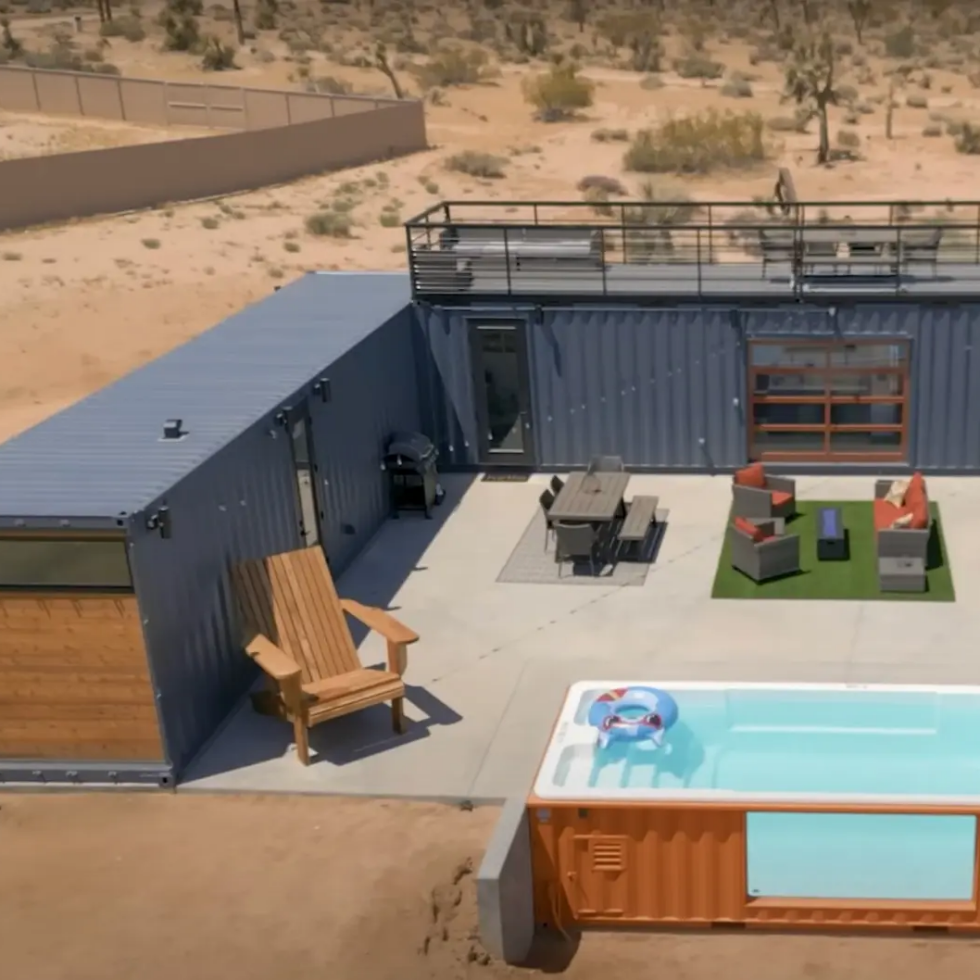
A container house, also known as a shipping container house or box house, is a highly versatile type of accommodation. This housing option is equipped with complete interior amenities, including windows and doors, making it suitable for various uses such as migrant worker dormitories, outdoor construction projects, and everyday residential buildings.
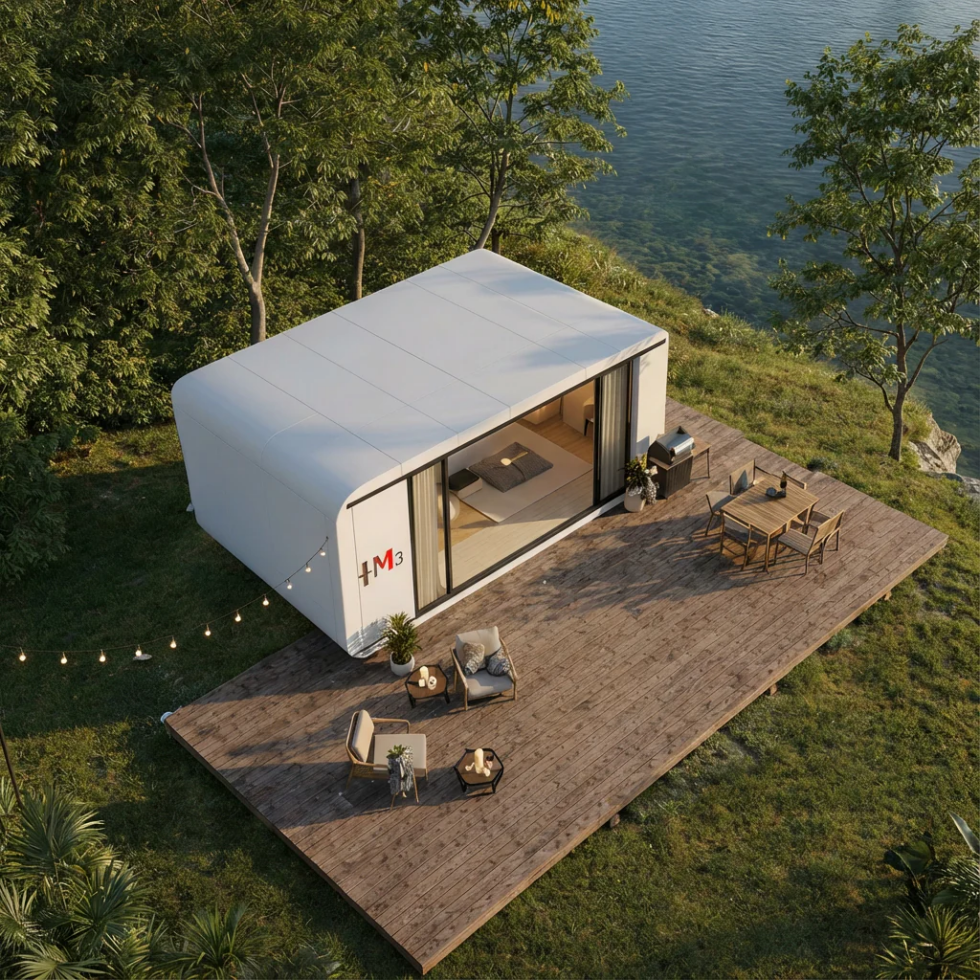
Container houses can be produced through two primary methods. The first involves the direct modification of shipping containers into living spaces, preserving their structural integrity and inherent durability. The second method is more common and involves building container houses from scratch in a manufacturing facility. This process includes designing the framework by utilizing high-quality load-bearing columns to connect the top and bottom, followed by creating wall panels from color-coated sandwich panels. This second manufacturing approach allows for greater customization and design flexibility.
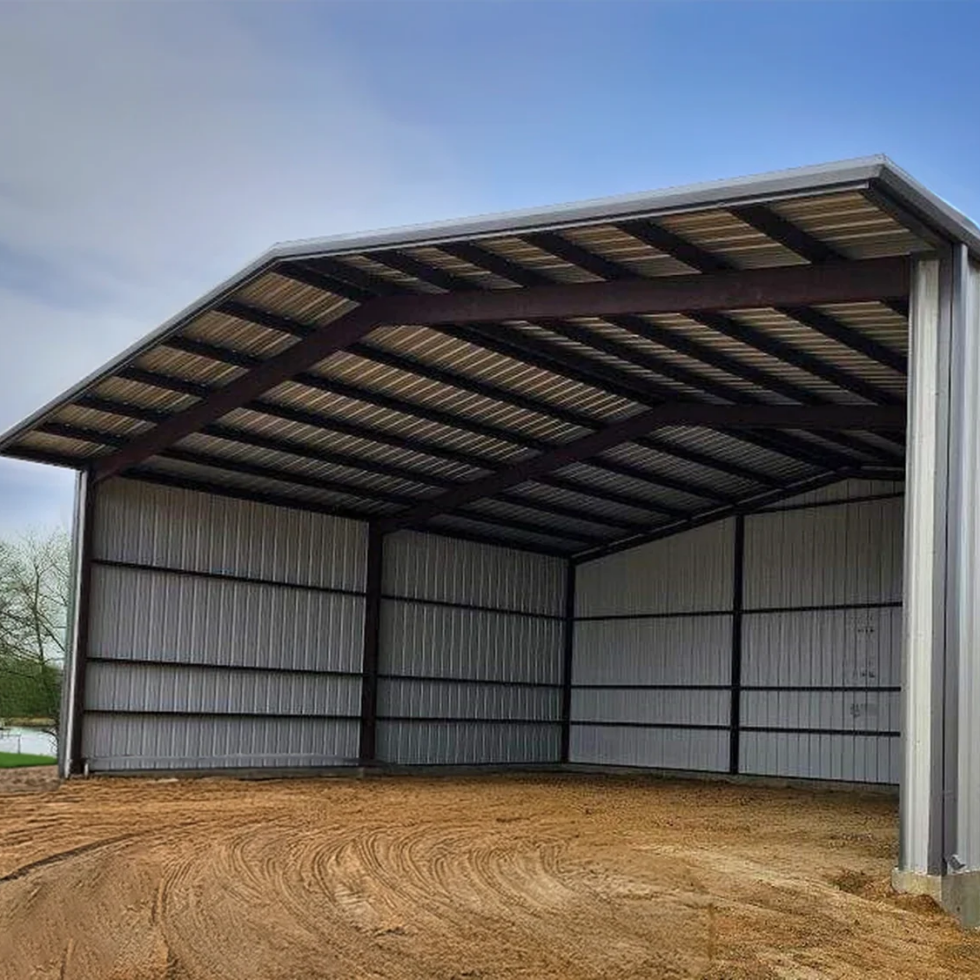
On the other hand, prefabricated houses—commonly referred to as mobile homes—are constructed using sandwich panels made from color-coated steel or other materials for both walls and roofs. These houses can be assembled quickly and are designed to be flexible, easy to dismantle, and capable of being relocated. Although they offer the benefit of modular assembly, prefabricated houses generally have inferior thermal insulation and soundproofing capabilities compared to container houses. They are commonly utilized for temporary housing, site offices, post-disaster reconstruction, exhibition halls, and other short-term applications.
In summary, while both container houses and prefabricated houses (mobile homes) cater to the need for temporary living spaces, they possess distinct characteristics that set them apart. Container houses offer enhanced durability and amenities, making them a popular choice for various applications, while prefabricated houses are known for their ease of assembly and flexibility. As the focus on sustainable and efficient living grows, understanding the differences between these two housing options can aid in making an informed decision that suits individual needs.
In conclusion, if you are considering innovative temporary housing solutions, container houses provide a robust option worth exploring, especially for those requiring functional, durable, and well-equipped living spaces.