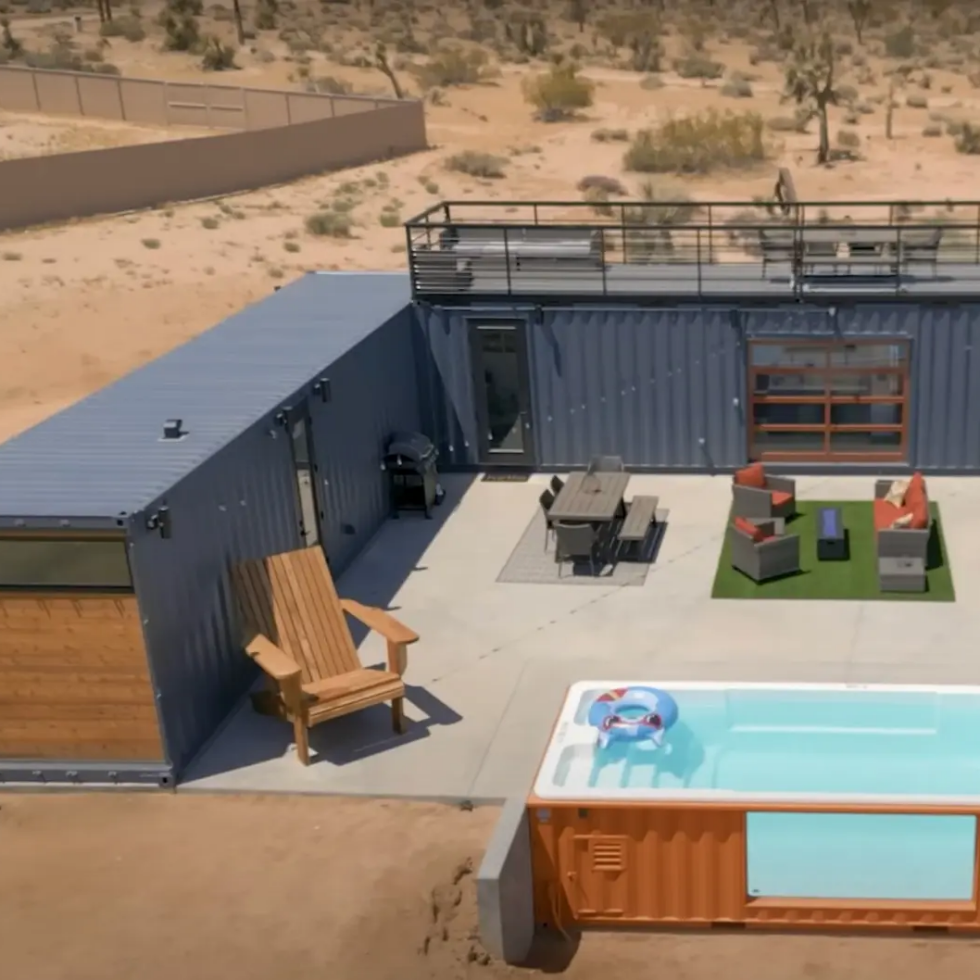
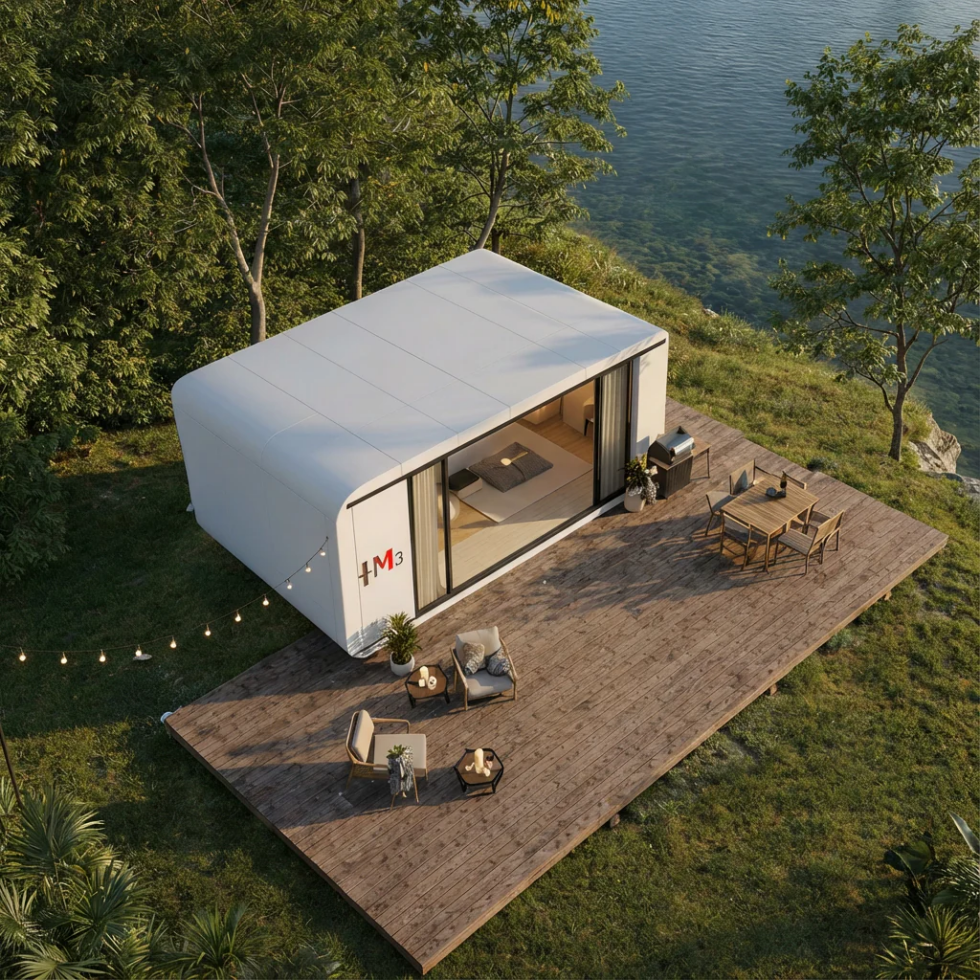
In remote project locations, setting up reliable living spaces is often one of the biggest challenges. Limited infrastructure, high transportation costs, and tight project timelines make traditional construction impractical. Container houses offer a highly efficient alternative, allowing project teams to establish functional, comfortable accommodations quickly and with minimal site disruption.
Designed for Fast Deployment in Challenging Environments
Container houses are built for speed and simplicity. Pre-manufactured in controlled environments, they arrive on-site ready for installation, requiring only basic groundwork and minimal assembly. This makes them especially suitable for remote areas where labor and construction resources are limited.
For industries such as mining, oil and gas, and infrastructure development, this rapid deployment ensures that teams can begin operations without delays caused by housing shortages.
Ease of Transportation and Installation
One of the key strengths of container houses is their transportability. Designed to standard shipping dimensions, these units can be easily delivered via truck, rail, or sea, even to hard-to-reach locations. Once on-site, they can be quickly positioned and installed, significantly reducing logistical complexity.
This mobility also allows companies to relocate units as project sites change, maximizing usage and reducing the need for repeated investment in temporary housing.
Durability in Harsh Conditions
Remote environments often come with extreme weather and challenging terrain. Container houses, built with robust steel structures, are well-suited to withstand such conditions. They offer strong resistance to wind, rain, and temperature fluctuations, ensuring a safe and stable living environment for workers.
Additionally, these structures are designed for long-term use, requiring minimal maintenance even in demanding environments.
Flexible Layouts for Different Needs
Container houses can be configured to serve a variety of functions beyond basic accommodation. They can be transformed into offices, meeting rooms, dining areas, or sanitation facilities, creating a complete living and working ecosystem on-site.
Their modular nature allows multiple units to be combined or stacked, providing scalable solutions that adapt to project size and workforce requirements.
Cost Control and Operational Efficiency
Compared to traditional construction, container houses significantly reduce both upfront and ongoing costs. Faster installation lowers labor expenses, while reusable structures eliminate the need for repeated construction across different project sites.
This efficiency translates into better budget control and improved operational planning, especially for companies managing multiple remote projects simultaneously.
Conclusion: A Practical Solution for Remote Living Needs
Container houses have become an essential solution for temporary housing in remote project environments. Their speed, durability, flexibility, and cost efficiency make them an ideal choice for industries that require reliable accommodation under challenging conditions. As project demands continue to evolve, container houses will remain a key component in improving on-site living standards and overall project efficiency.
For more information on durable and efficient container housing solutions, visit zsadto and discover options tailored to your project needs.