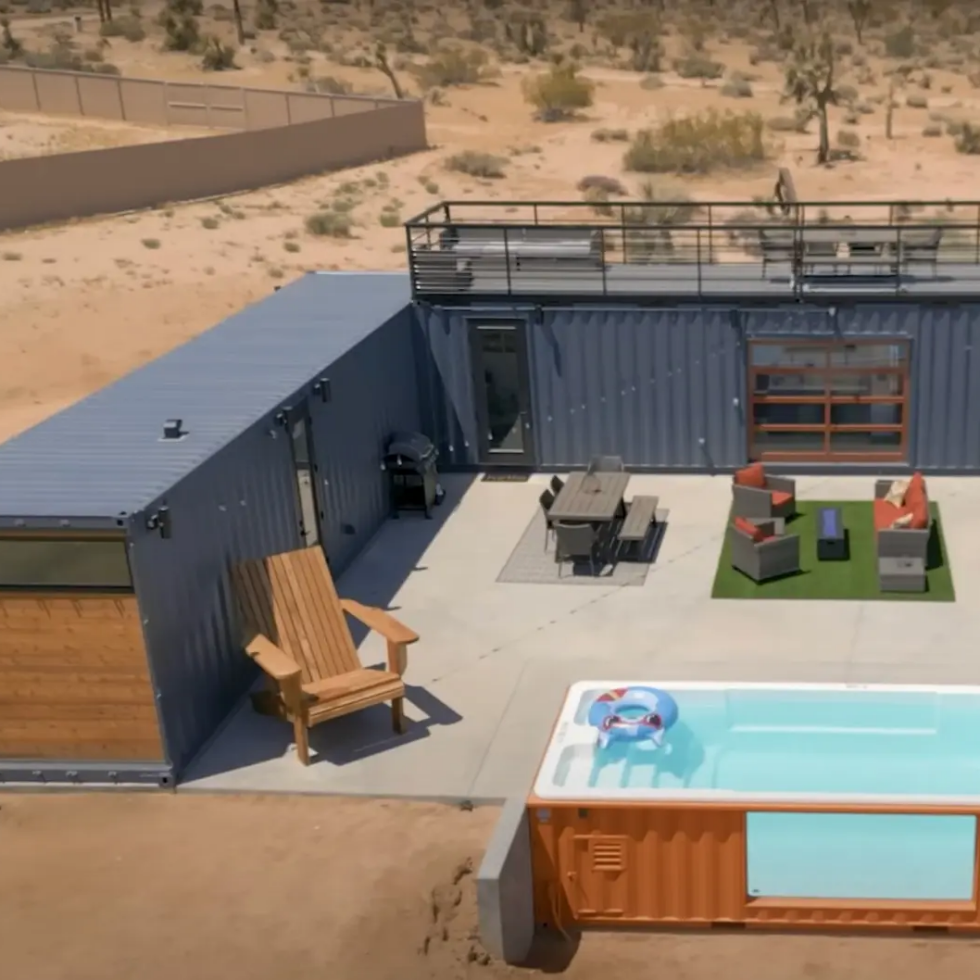
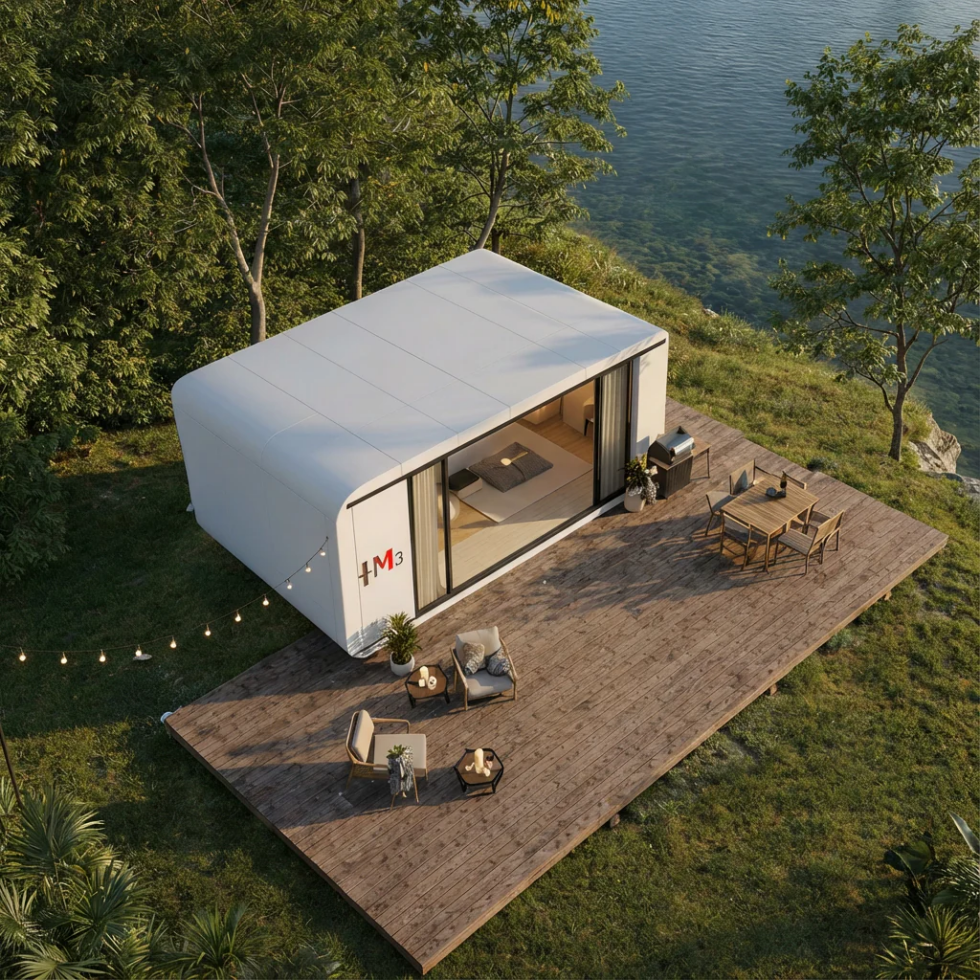
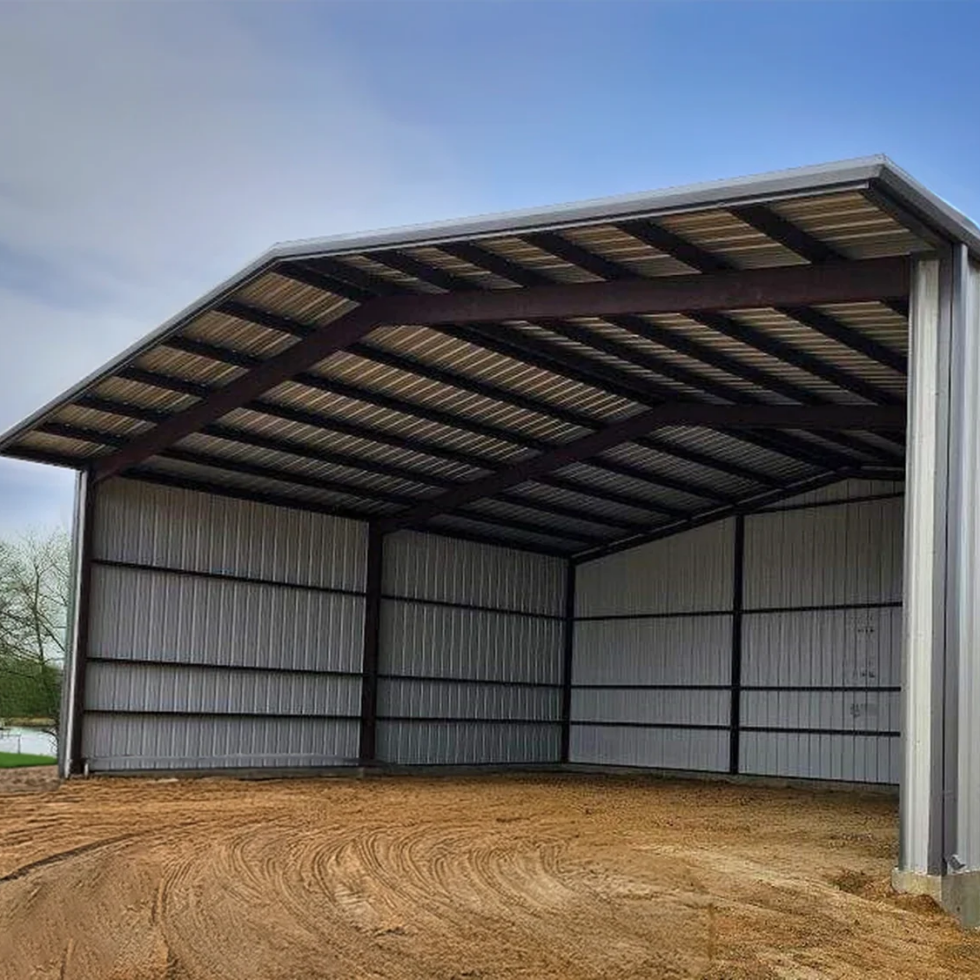
Walk through any rapidly developing residential area, and one challenge quickly becomes clear: housing demand often grows faster than construction capacity. Developers are under pressure to deliver quality homes within tighter schedules while keeping costs under control. This is one of the reasons prefab houses are attracting increasing attention in modern residential developments.
Meeting Housing Demand More Efficiently
As urban expansion continues, communities require housing solutions that can be delivered quickly without sacrificing quality. Prefab houses are manufactured using standardized processes that help streamline production and reduce construction bottlenecks.
By moving much of the building process off-site, developers can complete housing projects more efficiently and respond faster to market demand.
Creating Consistent Quality Across Developments
Large residential communities often include dozens or even hundreds of homes. Maintaining consistent quality across every unit can be difficult with traditional construction methods.
Prefab houses address this challenge through controlled manufacturing environments, where materials and production processes are carefully monitored. The result is a more uniform standard of construction throughout the entire development.
Supporting Modern Homebuyer Expectations
Today's homebuyers are looking for more than just a place to live. They value functionality, energy efficiency, and thoughtful design. Prefab houses can incorporate modern layouts, efficient use of space, and sustainable building features that align with these expectations.
From compact family homes to larger residential units, prefab solutions can be adapted to meet diverse lifestyle needs.
Reducing Construction Disruption
Residential developments are often built near existing neighborhoods where noise, waste, and prolonged construction activity can create inconvenience. Because prefab houses require less on-site construction work, projects can be completed with reduced disruption to surrounding communities.
This creates a smoother development process while improving the overall experience for nearby residents.
A Practical Solution for Future Community Growth
As communities evolve, housing needs may change over time. Prefab construction offers flexibility that supports future expansion and development. Additional units can be introduced more efficiently, helping developers adapt to changing market conditions and population growth.
This scalability makes prefab houses a valuable option for long-term residential planning.
Conclusion
Prefab houses are becoming an important part of modern residential development by helping builders deliver homes faster, maintain quality standards, and support sustainable growth. Their combination of efficiency, flexibility, and affordability makes them well-suited for the housing demands of today's expanding communities.
To learn more about innovative prefab housing solutions for residential projects, visit zsadto and explore options designed for modern living and future growth.